When you click the link, it will take you to the corresponding page.
大名さば
小肌
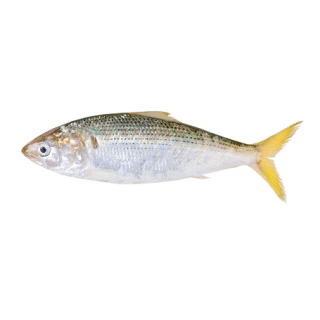
Kohada is a shusseuo (fish with different names as it grows) and an essential ingredient in Japanese cuisine. When it is less than 5 cm, it is called Shinko, meaning "young fish." At this stage, it is used as sushi with 3-5 fish placed on one piece. When it grows to about 10 cm, it is called Kohada, meaning "small shine," referring to the beauty of its silvery scales. Kohada is the most commonly used stage in sushi restaurants, often marinated to remove any fishy smell and enhance umami flavor. At about 15 cm, it is called Nakazumi, which is larger and oilier with a richer flavor than Kohada. When it reaches 20 cm or more, it is called Konoshiro, which is rarely used as sushi but is instead simmered or grilled. In the past, samurai avoided eating Konoshiro because its name, "この城 (Kono Shiro)," means "this castle," which was considered disrespectful as it symbolized eating their own castle. These stages and names represent the growth and quality of Kohada and highlight the importance of a chef's skill in preparing it.
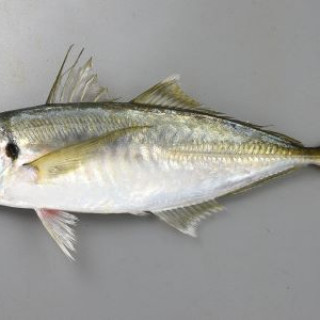
アジ
The term 鰺 involves the use of "비릴" and refers to juvenile fish, specifically the horse mackerel. When fully grown, they can reach about 40 centimeters in length. The term "삼" indicates the third month in the lunar calendar and May in the solar calendar. It's said that this period is when they taste the best.
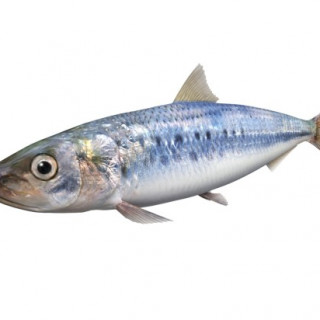
イワシ
Iwashi (sardine) is a small bluefish, typically about 10–20 cm long. It is rich in fat, offering a bold flavor, with its peak season from summer to autumn. The kanji "鰯" originates from "weak" (弱), reflecting its quick spoilage. As sushi, freshness is crucial, showcasing its rich, fatty taste and smooth texture.
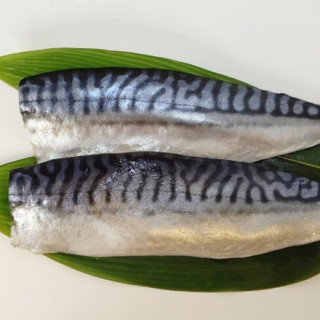
炙りトロさば